Приказивање постова са ознаком intervju. Прикажи све постове

среда, 18. март 2026.

KARMADONA: Intervju sa Aleksandrom Radivojevićem


                Dragi moji, dozvolite da vas podsetim: na ovom blogu mogli ste pročitati prvu najavu ovog filma koja je sadržala neke lične, a insajderske uvide (a ne preneseni PR produkcije). Taj članak imate OVDE.

                Na ovom blogu mogli ste pročitati i moj detaljan osvrt na ovaj film – tu kritiku imate OVDE.

                KARMADONA je svoju srpsku premijeru imala u Sava Centru krajem decembra. A sada, ona kreće u domaće bioskope, i moći ćete da je pogledate u njima počev od 19. marta.

                Tim povodom, podeliću sa vama intervju koji sam uradio sa Acom R. povodom njegovog rediteljskog debija za kanadski magazin RUE MORGUE. Tom prilikom sam pisao i o dokumentarcu o SRPSKOM FILMU pod naslovom A Serbian Documentary, ali o njemu ću pisati zasebno, uskoro.

                Ovaj intervju izašao je u broju za januar-februar, ali za sve vas koji ne pratite redovno ovaj prvorazredni magazin, ako vam je ovo promaklo na engleskom, evo vam ga sada, ekskluzivno, na srpskom.


Koscenarista „Srpskog filma“ režira svoj prvi film. Da li treba da se plašimo?


GLOBALNA NOĆNA MORA SA SRPSKIM ZAČINIMA


(c) Dejan Ognjanović


Prokletstvo filma „Srpski film“ je višestruko. Prvo je ozloglašenost filma usporila karijeru njegovog koscenariste, Aleksandra Radivojevića, jer niko nije želeo da finansira njegov sledeći. Zatim, nakon petnaest godina ispunjenih neuspešnim pokušajima, kada je konačno debitovao kao reditelj – svi su njegovu „Karmadonu“ upoređivali sa „Srpskim filmom“. Ljudi su se pitali: gde će dalje „čovek koji je osmislio 'newborn porn'“? Kako se ispostavilo, njegova „Karmadona“ je eksplicitnije satirična i crnohumorna, dok su njeno krvoproliće, šokantni događaji i prestupi prihvatljiviji. Radnju pokreće telefonski poziv Boga, koji ucenjuje trudnicu životom njenog nerođenog deteta da krene u ubilački pohod, vođena Njim, ili nečim drugim. Duga noćna odiseja kroz podzemlje srpskog društva sadrži: opsednutog dečaka koji gadno razbija čelo, drugog pretvorenog u zlobnog ubadača tuđih genitalija, bebu u opasnosti da bude pretvorena u kašu (jednom bukvalno, pod teškom crnom čizmom), a da ne pominjemo desetine odraslih koji su spaljeni, isečeni, upucani i raskomadani.

Ponovo su neki gledaoci bili zbunjeni: koja je svrha svega toga? Aleksandar Radivojević, scenarista i reditelj filma „Karmadona“, spreman je da Ru Morgu iznese svoj krupnjak (krupnjak, rekoh, a ne grupnjak!).


Ru Morg: Koja je bila vaša glavna ambicija sa rediteljskim debijem? Šta ste težili da postignete?


Aleksandar Radivojević: To je veoma ličan film, ali se bavi globalnom noćnom morom u kojoj svi živimo. S druge strane, on se takođe bavi pitanjima religije, majčinstva, porodice, rađanja i ugušene kreativnosti pod korporativnom kontrolom, na prilično ekstravagantan i perverzan način kroz moju pomalo neobičnu viziju. Naslov je neka vrsta igre reči, namerna igra reči na temu „Karma“ i „Madona“, koja ujedinjuje budizam i katolicizam u „nesvetom“ savezu protiv korporativnog sveta koji je oteo pojam božanstva za svoje zlokobne svrhe. U osnovi je to moje sopstveno viđenje Biblije za eru korporativnog globalizma. Ali to je takođe i ljubavna priča.


RM: Kako biste je opisali u žanrovskom smislu?


AR: Na najosnovnijem nivou, to je akcioni triler sa natprirodnim prizvukom, ali je i crna komedija. Onda se pojavljuje ceo aspekt horora. S druge strane, to je manični „tirada“ film sa filozofskim slojevima, baš kao oni koje je Andžej Zulavski snimao. Dakle, ako bi Zulavski napravio bizaran akcioni film za producenta Džoela Silvera tokom 80-ih ili 90-ih, mislim da bi bio veoma sličan „Karmadoni“, to je ono čemu sam težio. Zamislite da filmovi „Opsednutost“ i „Smrtonosno oružje“ ili „Umri muški“ imaju vanbračno dete, i ovo bi moglo biti to.


RM: Ima mnogo više humora i znatno manje brutalnosti i krvoprolića nego u „Srpskom filmu“. Da li je ovo bila svesna odluka?


AR: Ovo je tonalno otvorenije crna komedija, kao što sam rekao, tako da je zahtevala blaži dodir kada je u pitanju brutalnost. „Srpski film“ je bio namerno depresivan, a „Karmadona“ je zapravo na kraju prilično uzdižući film, barem iz moje iskrivljene perspektive. Svakako se završava nadom, čak i ako to nije onakva nada kojoj ste se nadali.


RM: Nisu vam strane kontroverze, provokacije i podeljena mišljenja. Da li ste ih mnogo sreli u vezi sa „Karmadonom“?


AR: Sve zvanične kritike do sada su bile prilično entuzijastične i prijateljske, svakako sam zadovoljan time. Ali, na jednoj od TIFF projekcija, tokom odjavne špice, jedna žena mi je prišla, rekla „Jebi se!“ i otišla. To nismo imali sa „Srpskim filmom“! Zaista me zanima šta ju je toliko izazvalo. Kada primenite satirični pristup, neizbežno ćete iznervirati mnogo ljudi, posebno ovih dana kada su svi tako lako „trigerovani“. Kada su u pitanju komentari korisnika na mreži, mišljenja su veoma podeljena – mislim da sam nekako uspeo da antagonizujem pripadnike generacije Z. To ima mnogo veze sa humorom – ako im se ne svidi, odmah viču „krindž“. Mislim da nikada nije bilo bezbednije snimiti samoozbiljan film lišen humora nego sada, jer je smeh čudno postao faktor razdvajanja. Takođe, problem koji bi mogli imati sa mnom je taj što misle da sam „starac koji viče na oblake“, ali greše – ovo je film O starcu koji viče IZ oblaka, on je glavni lik! Dakle, sve žalbe treba da idu Njemu, a ne meni.


RM: Da li je prerano pitati: Šta je sledeće za vas?


AR: Trenutno radim na nečemu novom – radi se o tihoj cenzuri i Satani, i biće to mnogo otvorenije horor film nego „Karmadona“. Ali i dalje sa satiričnom oštricom.


* * *


Eto, NAJAVIO sam ga, OBJASNIO, a sada i PODSETIO na njega (uz pomoć reditelja), ali ne mogu i u bioskope da vas vodim. To ćete morati bez mene. A kad se vratite sa filma, dođite ovde - ili ispod mog rivjua - pa napišite svoje utiske, da vidimo kako se vama čini ovaj Acin ŠOK KORIDOR: THE MOVIE!

субота, 10. јануар 2026.

35 godina filma SVETO MESTO (Đorđe Kadijević i Dejan Ognjanović)

Na nedavno održanom IV izdanju festivala horor filma „Odraz strave”, u petak 19.12. upriličena je specijalna projekcija povodom 35 godina od premijere filma SVETO MESTO.

            Zatim je, posle filma, održan i masterklas: „Tri i po decenije Svetog Mesta“. Govorio je scenarista i reditelj, Đorđe Kadijević; moderator je bio dr Dejan Ognjanović.


            Kao i obično, taj film je bio samo povod, a razgovor je otišao u veće širine i dubine.

            Iako je događaj upriličen baš na tzv. Svetog Nikolu, jednu od najslavnijih srpskih slava, salu DKC-a je napunilo nekih 70-ak posetilaca. Bilo je lepo videti toliku ljubav i poštovanje živoj legendi srpskog filma strave.

            Kadija je baš na tzv. Badnji dan 2026. proslavio svoj 93. rođendan (!). On se i dalje dobro drži za svoje godine, ali ako pogledate donji snimak shvatićete zašto sam ipak razgovor ograničio na 45 minuta.

            Snimak je svojim telefonom ljubazno načinio veliki poklonik horora, Saša Avramović, i okačio ga na Jutjub, a ja ga sada delim sa vama. Ko želi da to pogleda na Jutjubu, može na ovom linku: https://www.youtube.com/watch?v=W_xt9ahi6qA

            Ili, embedovano odmah ispod.

недеља, 13. април 2025.

DAWN OF THE WOMEN: FEMALE DIRECTORS OF HORROR


Dragi moji, dozvolite da vas podsetim: PONOVO sam nominovan za Rondo Hatton Classic Horror Award! To je jedna od najprestižnijih nagrada u oblasti horora, a dodeljuju je horor fanovi, glasanjem. I ovog puta nominovan sam u kategoriji NAJBOLJI ČLANAK (BEST ARTICLE).

Ako do sada još niste glasali, ispod možete naći članak za koji sam nominovan. Kad ga pročitate i shvatite da je to nešto vredno Rondo nagrade, sve što treba da uradite jeste da pišete Rondu.

            Izbor svih nominacija nalazi se OVDE, od ponuđenog izaberite šta vam se sviđa, pa to iskopirajte u mejl i pošaljite na adresu taraco@aol.com. Ne morate sve, možete da glasate i samo u 2-3 ili 5-6 kategorije – samo ne propustite BEST ARTICLE! A lepo bi bilo i gde god vidite RUE MORGUE, dajte im glas.

            Glasanje traje do 20. aprila. Ne čekajte zadnji dan! Pišite im sada.


Dakle, evo za šta sam ovog puta nominovan.


DAWN OF THE WOMEN


(c) Dejan Ognjanović


The female half of mankind has been directing horror since the very birth of cinema, but their contributions have never been properly and systematically valued – until now. Heidi Honeycutt’s I Spit on Your Celluloid: The History of Women Directing Horror Movies, coming this August from Headpress, is a pioneering overview of the subject which aims to right the wrongs once and for all.   


This huge volume is not merely a history of women directors in horror: it also conveys the changing nature of the genre throughout the 20th century thanks to the women’s rights and civil rights movements, new distribution technologies, the destruction of the classic studio system, plus the 21st century’s rise of digital cameras and social media, modern ideas of gender and racial equality, LGBTQ acceptance and so much more. The book’s staggering size, with over 450 illustrated pages in large format, is augmented by the fact that the author conducted hundreds of interviews and watched thousands of films in order to make what cult filmmaker Stephanie Rothman (The Velvet Vampire, 1971) labelled “a book that needed to be written”. And who could argue with Joe Dante? In his words: “At long last, a criminally-neglected aspect of film history is illuminated. Honeycutt knows her stuff, and the wealth of information is fascinating. This is a major work.” 


Heidi Honeycutt is a film festival programmer, film journalist and film historian who specialized in horror movies. She co-founded Etheria Film Festival, the prestigious showcase of new horror, sci-fi, fantasy, action and thriller films directed by women. She has contributed to various genre books and magazines, including Famous Monsters of Filmland, Fangoria, Moviemaker Magazine, Delirium and, yes, Rue Morgue. Her experience with the genre is obviously rich, but a big task like I Spit on Your Celluloid also required stupendous amounts of dedication and perseverance, as she readily confesses for Rue Morgue:   


“The biggest challenge in writing a first-of-its-kind book is that there isn’t any one place to do all the research needed. The information was scattered in different places: some of it in books dedicated to horror as a whole, or in a series of interviews with many different directors, or a book dedicated to a single film in entirety; some of the information was only available by speaking to people who studied one specific film or had very specific knowledge of one filmmaker; some information was preserved by archivists of silent era films, or specialists studying one specific country’s history of cinema; some of the information was known only to professors or academics who were currently researching a specific film or filmmaker, or to a family member of the filmmaker.”


A few books partially paved her way, like House of Psychotic Women (2014) by Kier-La Janisse, dealing with “female neurosis in horror and exploitation films”, and two recent academic collections: Women Make Horror: Filmmaking, Feminism, Genre (2020), edited by Alison Peirse, and Bloody Women Women Directors of Horror (2022), edited by Victoria McCollum and Aislínn Clarke. However, more helpful, by Honeycutt’s own admission, were obscure sources, like the 2005 documentary Taiwan Black Films: “It focuses on the trend of extremely violent low budget films made in the country between 1979 and 1983, and is one of the only sources of detailed making-of information about director Chia-Yun Yang’s films Lady Avenger (1981) and Exposed to Danger (1982); Lady Avenger was the first woman-directed rape/revenge film.“


The author has also contacted people personally and asked for direct interviews. That wasn’t always possible, as some are deceased, or don’t wish to discuss their films. Obviously, it was easier finding out about films from the past few decades, but quite a different matter when it came to rare films and barely known female directors from the silent era and the classical period.  


“A great source of information”, says Honeycutt, “are the saved and archived issues of The Moving Picture World, a printed magazine which ran from 1907 to 1927 that detailed film releases in the silent era. It featured reviews of films, interviews, advertisements, and synopses of new releases at the time, many of which are now lost. Without the preserved issues of Moving Picture World, and a few other printed serials of the time, like Motion Picture Herald, most of the information they contain would be irretrievably lost.”  


What distinguishes I Spit on Your Celluloid is that it provides a detailed, chronological overview of all the horror films made by women, from Alice Guy-Blaché, the first woman to direct a film, all the way to yesterday’s rising stars. Its scope encompasses short films, anthologies, documentaries, animated horror, horror pornography, pink films, and experimental horror: the she-makers of “elevated” and the “exploitation” horror are joined between these covers. The strippers, the sequels, drive-in fodder, art films, feminist manifestos, mindless and mindful slashers, nudie flicks, horror classics, theatrical and mainstream horror together with digital flicks, short and experimental titles from the deepest underground – none escaped Honeycutt’s meticulous research, not even the hardest-to-find female directed horrors from Asia and South America.


„I found”, she says, “that there are a lot of people who study the cinema of specific nations and specific time periods in those nations with the same obsessive nature that I exhibit when I research women horror movie directors, and they often unveil information about the women directors that worked in those niche eras. For instance, the blog Pelikula, ATBP is dedicated to cinema from the Philippines and includes rare scans of newspaper articles and advertisements from 1919 through 2019. Another amazing source of information is student film masters and PhD theses about specific filmmakers as well as ongoing research from professors. It would take a lifetime to do a deep dive in-person study of each of these films from scratch and visit the different cinematheques and preservation organizations around the world that house the only copies of their work.“  


One question which naturally arises when talking about women directors of horror is whether there is a quality or aspect of style or content which is unique, or at least more common to female directors. Who better to ask than Heidi? “The protagonists of horror movies directed by women”, she answers, “are more likely to be women, than when men make the film. People tell the stories that they know, and inevitably women’s life experiences will be different than men’s, and so the stories they tell may be different. Women may tell stories about women’s loneliness, or motherhood fears, or periods, or sexuality – but men have also told those stories about women in horror movies, so it isn’t only women directors that are sensitive to women’s experiences as potential horror stories. Ginger Snaps, May, Rebecca, Cat People, and Rosemary’s Baby are horror films about women that are directed by men. But Slumber Party Massacre, The Velvet Vampire, Prevenge, The Mafu Cage, The Babadook, Lyle, and Jennifer’s Body, all films about women’s experiences of horror, are all directed by women. I think we can see what we want to see when we look for it. I think yes, women direct horror differently than men. I also think they can direct horror that is indistinguishable from the horror directed by men.”


Honeycutt also points out that her painstaking research uncovered female authors and their films which deserve much greater praise and higher position in horror pantheon: “So many silent film directors who are regarded as ‘feminist pioneers’ actually made horror movies and many horror fans don’t know about them or consider them horror! And while Lois Weber and Alice Guy Blaché did direct films about marriage and abortion and women’s poverty and motherhood, they also directed home-invasion slashers (Lois Weber’s Suspense, 1913) and literary horror adaptations (Alice Guy Blaché’s The Pit and the Pendulum, 1913). Other women directors from that era, like Austrian filmmaker Luise Fleck, directed mostly horror, fantasy, and adventure films, and for some reason I never see them mentioned by horror fans anywhere. Fleck was the first woman to direct a feature-length horror film, Trilby (1912), and her 1919 movie Die Ahnfrau is a fun Gothic ghost story about a haunted castle.”


But the women directors’ contributions have been evenly spread throughout horror cinema’s history, and certainly much thicker in recent years. Honeycutt contends that we are in a period of “horror renaissance” now, and that the female directors brought a lot to its blood-spattered table: “I do think that right now more women directors than ever before are making horror movies, and many of them are pushing boundaries and exploring old and new themes, and many more are working directly for studios. Many very recent studio remakes, prequels, and premakes were directed by women, including The First Omen (2024), Black Christmas (2019), The Craft: Legacy (2020), The Slumber Party Massacre (2021), and Candyman (2021). That’s new – women usually aren’t hired for a string of big films like that, but I think since 2017 (when the #metoo movement began), studios want to specifically hire women to ensure audiences that women-centric stories are told ‘in a woman-y way’, whatever that means. I don’t think having a woman director on these remakes necessarily improves the quality of the film in the eyes of women audience members, but the studios think it does, so they offer many women directors new opportunities to work in an industry that had previously been more closed to them. I also think there are more women show-runners on big genre TV series now, which seems to increase the likelihood of women being hired in the writing room and as directors.”
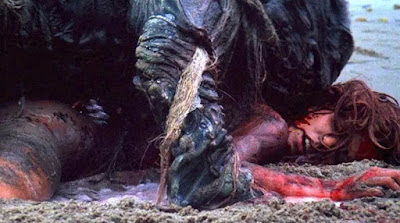
 

Still, the area where women directors seem to be bringing their A-game to the horror table is in independent films: “Some of the best horror movies directed by women these days are only in genre film festivals and their popularity spreads by word of fan mouth and between film programmers, eventually ending up on streaming services. Many of the women directors that hardcore horror fans consider ‘famous’ are actually pretty obscure as far as mainstream Hollywood is concerned.”


Intriguing and fresh perspective is also brought by queer women. However, dealing with it is not always easy, since, as Honeycutt agrees, whether a woman director is a lesbian or not is not always public knowledge. “Some women directors have openly declared their films to have been influenced by their queer experience, such as Sharon Ferranti’s slasher feature Make a Wish (2002), which is about lesbians on a lesbian camping trip being hunted down by a lesbian slasher. There are several short horror films directed by women that make an analogy between being a trans man or queer woman and transforming into a monster/creature that feels new and uncomfortable or embarrassing. Many horror films, both with lesbian plotlines and directors and without them, are about women’s sexuality, both cis and queer, being akin to being, in particular, a werewolf, such as Jackie Garry’s The Curse (1999), Amy Lynn Best’s Weregrrl (2002), Lola Rocknrolla’s short I Was a Trannie Werewolf (2009), and Sydne Horton’s Meta (2020).”


In any case, the greater inclusivity in recent years, especially regarding female directors, doesn’t mean that there is no more room for change. One particular area in this respect which Honeycutt pinpoints is the monopoly on major money and distribution, held by just a few companies, which suppress smaller companies and filmmakers: “When these big entertainment conglomerates lose their near-total stranglehold on the film industry,” she says, “independent filmmaking and mid-level films will boom, because the money to fund films will be more adequately distributed. Being a woman director isn’t its own separate category of personhood beholden to different rules than everyone else in the film industry. Rising tides float all boats, and I think ultimately that someone’s gender shouldn’t even come into discussion when studios decide to hire a director. I’m not saying that sexism doesn’t exist or that women have equal chances of being hired for all jobs they compete with men for, but what I am saying is that when people in the film industry are treated better, offered new opportunities, and are allowed to make more daring and innovative choices, inevitably the discrimination that women face as directors will also be eroded.”


Mary Lambert talks:


Dejan Ognjanović


Mary Lambert’s immensely popular Stephen King adaptation Pet Sematary (1989) was the first large studio-produced horror film directed by a woman. As Heidi Honeycutt claims in I Spit on Your Celluloid: The History of Women Directing Horror Movies, “Hollywood ’broke the mold’ when they hired Lambert, because women were not usually offered studio directing jobs, period.“ This great commercial hit and fan favourite was followed by many other genre offerings, like Pet Sematary II (1992), The In Crowd (2000), Urban Legends: Bloody Mary (2005), Mega Python vs. Gatoroid (2011) and others. Since Mary Lambert also wrote the Foreword to Heidi Honeycutt’s book, it was as good an alibi as any for Rue Morgue to have a talk with her.


Rue Morgue: Did you pick horror or did horror pick you? In other words, did you have any special affinity for horror before the script for Pet Sematary landed in your hands? And also, in general: what is horror genre for you? How does it speak to you, what does it offer to you personally?


Mary Lambert: When I was a little girl I was obsessed with Fairy Tales as they were written down from the Middle Ages, when most of them originated. As I’m sure you know, many of them are quite horrific cautionary tales designed to scare children into obeying the rules of society. I have never wavered in my fascination for this type of allegorical fantastical storytelling, especially when it depicts supernatural events. Fantasy (and horror) help me understand and tolerate the boredom and sadness that sometime dominate the reality of existence.


RM: You were hand-picked by Stephen King to direct Pet Sematary. Still, how much protection and safety did that actually bring in the context of the fact that you were the first woman director ever to be given a big-budget studio horror film?


ML: Stephen was unbelievably supportive of me. He and I had the same goal of protecting the essence of his story from unreasonable meddling from outside sources.


RM: How have the times changed in recent years for female directors of horror, especially regarding their likelyhood to get to work in the business? What else needs to be changed in the near future for them? 


ML: There are many more female directors now than when I began my career. But there were virtually NO other female directors then, especially in the horror genre. Horror has always been a way for young filmmakers to enter the business of filmmaking with a low budget movie.  Horror is more respectable now and young women see it as a valuable way to express themselves. The truth is that most of the opportunities for women remain low budget projects, while the “big Hollywood” movies go to male directors. The ascendence of cable and limited series on streaming platforms is changing that and and there are a lot of exciting female directors who are focusing on that area for their careers.


RM: Do you have any passion project in horror genre that you have written already and would love to work on soon?


ML: Yes. I have just finished writing a script loosely based on Oscar Wilde’s “The Canterville Ghost”. It explores the idea that we carry in our DNA the cellular trauma of our ancestors. I am hopeful that I will be able to set this up in the near future.


RM: What is the biggest quality and importance of the book I Spit On Your Celluloid?


ML: Heidi has always been an incredible supporter of women in horror, respecting their work and elevating it into the mainstream. She continues this work with her insightful book.


* * *

Izbor svih nominacija nalazi se OVDE, od ponuđenog izaberite šta vam se sviđa, pa to iskopirajte u mejl i pošaljite na adresu taraco@aol.com.
четвртак, 30. јануар 2025.

Horor podkast: Ghoul u Muzeju paranormalnog i u Kući scenarija


Na današnji Sveti Dan, podeliću sa vama dva nedavno obavljena razgovora sa mnom. Ujedno ću vam skrenuti pažnju na mesta gde možete naći još mnogo drugih, srodnih, zanimljivih razgovora s pametnim i vrednim ljudima.


1) RAZGOVORI U KUĆI SCENARIJA 

- FILM I KNJIŽEVNOST


Narodna Biblioteka „Dr Dušan Radić“ u Vrnjačkoj Banji imao veoma aktivan kulturni program, i veoma bogat deo biblioteke posvećen filmskoj literaturi: delom zato što se u V. Banji već decenijama odigrava Festival filmskog scenarija, a delom zato što u njoj, tome posvećen, radi ažurni, odlično informisani Srđan Čeperković.

Jedna od njegovih aktivnosti je i serijal „Film i književnost“, nastao u sklopu programske celine „Razgovori u Kući scenarija“.

Kroz intervjue sa našim najznačajnijim piscima, književnim kritičarima, izdavačima, rediteljima, scenaristima, montažerima, istoričarima i teoretičarima filma, profesorima univerziteta, razmatraju se brojna aktuelna pitanja vezana za scenaristiku, preispituju međusobne veze filma i književnosti i daje sveobuhvatni uvid u ove dve važne oblasti umetničkog ispoljavanja.

U najnovijoj, petoj sezoni snimljeno je 15 emisija sa raznim vrednim gostima, od kojih vam ja posebno preporučujem ove:


Zoran Paunović, akademik, univerzitetski profesor, esejista i prevodilac;


Miroljub Stojanović, književni i filmski kritičar, urednik izdavačke delatnosti Filmskog centra Srbije;


Saša Radojević, filmski reditelj, scenarista i kritičar, zamenik glavnog i odgovornog urednika u Redakciji dramskog i domaćeg serijskog programa Radio televizije Srbije;


Vladan Matijević, književnik,


dr Dejan Ognjanović, književnik, književni i filmski kritičar, urednik, prevodilac i esejista;


Mladen Đorđević, reditelj i scenarista,


Petar Janjatović, muzički novinar, rok kritičar i enciklopedista;


Danilo Milošev Wostok, strip autor.


Emisije su dostupne na Jutjub kanalu vrnjačke biblioteke. Autor i voditelj je Srđan Čeperković, dok režiju potpisuje Miroslav Stašić.


Sve ove razgovore, i one iz prethodne četiri sezone, možete naći na sajtu biblioteke i tamo ih strimovati, ako odete OVDE:

https://www.vrnjackabiblioteka.org.rs/aktuelno/riznica/razgovori-u-kuci-scenarija


Evo najave mog gostovanja (trajanje 28 min):


Gost 78. epizode serijala „Film i književnost“ u sklopu programske celine „Razgovori u Kući scenarija“ Narodne biblioteke „Dr Dušan Radić“ je dr Dejan Ognjanović, književnik, književni i filmski kritičar, urednik, prevodilac i esejista, autor bloga The Cult of Ghoul. Razgovor o romanima „Zadušnice“ i „Prokletije“ dr Dejana Ognjanovića, predstavljanje zbirke priča „Divlja kapela“ našeg gosta, Ognjanovićev uređivački rad na tri jedinstvene edicije izdavačke kuće „Orfelin“ koje na otkrivalački i inovativni način afirmišu horor književnost, učešće Ognjanovića na 48. Simpozijumu Festivala filmskog scenarija „Krimići u regionalnoj kinematografiji: Pavao Pavličić kao paradigma“, zašto se Ognjanovićeva dela uglavnom ne nalaze u knjižarskoj distribuciji i kako do njih možete doći, omiljeni filmovi dr Ognjanovića rađeni po književnim delima… neke su od tema kojih se dotičemo.


            Na sajtu je to OVDE:

https://www.vrnjackabiblioteka.org.rs/aktuelno/riznica/razgovori-u-kuci-scenarija/1892-film-i-knjizevnost-dejan-ognjanovic


A ako više volite Jutjub, ima svega ovoga i tamo, tj. ovde:

https://www.youtube.com/watch?v=qmVtkyB9joA


            Znači, odite tamo zbog mene, a ostanite zbog obilja ljudi koji zaista imaju šta vredno da kažu a g. Čeperković itekako zna šta da ih pita.


            2) RAZGOVOR U MUZEJU PARANORMALNOG

            Kao što možda znate, u Lominoj br. 14 nalazi se već duže od godinu dana MUZEJ PARANORMALNOG, jedan simpatičan kutak gde sam već održao dve govorancije, jednu o NEKRONOMIKONU a drugu o DEMONOLOGIJI NA FILMU. I biće toga još.

            Odnedavno su oni pokrenuli PARANORMALNI PODKAST, pa su me pozvali da i tu ponešto prozborim.

            Bio sam gost 4. izdanja: u ranijima se govorilo o Hipnozi, Vešticama i o Tarotu. Overite i njih ako vas ta tematika zanima.

            Ja sam, naravno, govorio o hororu, svom stvaralaštvu, LEPTIRICI, itd. (trajanje 28 min).

            Ovaj podkast, snimljen u njihovim atmosferičnim prostorijama, možete pogledati OVDE: https://www.youtube.com/watch?v=HW2fQQZ_ocU

            Uzgred vas podsećam da moje knjige možete kupiti u ovom muzeju, pa eto dodatnog razloga da tamo svratite.


понедељак, 3. јун 2024.

Srpski horor film u dnevnim novinama


            Proteklog vikenda u dnevnom listu NOVA (štampano izdanje) izašao je članak na jednoj i po strani, posvećen horor filmu, s naglaskom na domaćem. U okviru njega obilato su korišćene neke moje ekskluzivne izjave koje sam dao novinaru Milošu Čoliću.  

Evo članka, pa pogledajte i sami: prenosim ga sa portala Nova, gde je objavljen na OVOJ ADRESI


FILMSKI ŽANR KOJI JOŠ NIJE REKAO SVOJU POSLEDNJU REČ:

Horori u SAD hrane bioskopske i producentske kase, a istražujemo kako je u Srbiji


Autor: Miloš Čolić 

Kultura, 01. jun 2024


Kod nas nikada nije zaživela ideja da strava može biti zabavna, delom i zbog toga što smo imali previše užasa u istoriji, bez dužih perioda odmora i dokolice koji su na Zapadu stvorili industriju zabave, objašnjava filmski kritičar Dejan Ognjanović.


Priča o diseldorfskom vampiru Peteru Kirtenu, masovnom ubici koji je bombonama i čokoladama mamio i odvodio devojčice na polja van Diseldorfa, gde ih je ubijao, našla se i na filmskom platnu. Film „M“ (Mörder – na nemačkom ubica – 1931.) bio je prvi zvučni film Frica Langa.

Dok je pripremao ovo ostvarenje, Lang je proveo osam dana u mentalnoj ustanovi u Nemačkoj i upoznao više ubica dece, uključujući Petera Kirtena. Nekoliko pravih kriminalaca angažovao je kao statiste, dok je 25 članova glumačke ekipe uhapšeno tokom snimanja filma.

Poznati nemački glumci odbijali su njegov poziv, što nije omelo manje poznatog mađarskog, kasnije i američkog glumca Petera Lorea da prihvati ulogu. On je i likom neobično podsećao na diseldorfskog ubicu. Cenzura je u više zemalja zabranila prikazivanje Langovog filma, dok se on našao u bioskopskom programu Kraljevine Jugoslavije.


Strah slomio majku


„Jedne večeri u beogradskom bioskopu ‘Korzo’, među gledaocima se našla i Frida Englender sa suprugom Aleksandrom, direktorom privatnog preduzeća u Zemunu. Ona je pažljivo gledala svaku scenu. Bila je sve nervoznija, sve neraspoloženija. Kada je videla da glavni glumac vodi devojčicu izvan varoši, nije izdržala:

’Ne dajte, on će ubiti moje dete’, uzviknula je i počela da plače. Ustala je i rekla suprugu: ’Hajdemo kući.’

Ni tamo se nije smirila. Sve vreme je u zagrljaju čvrsto držala njihovi ćerkicu“, opisuje ceo slučaj Miloš Miša Sretenović, novinar predratnog „Vremena“.

„Frida cele noći nije spavala. U bunilu i groznici sve vreme je ponavljala Kirtenovo ime i uplašeno upozoravala: ’Ubiće je! Ne dajte!’ Danima je bila pod uticajem filma. On je u njoj i dalje živeo. Bojala se da taj grozni ubica ne ubije i njeno dete. Njene muke trajale su danima. Počela je da sedi. Preminula je u groznim mukama”, piše ondašnje „Vreme“.

Nedugo zatim u berlinskoj staklenoj vili Frica Langa, našao se Stanislav Krakov, novinar, književnik tada i urednik „Vremena“.

“Dok su ispijali konjak, Lang se interesovao za slučaj žene koja je gledajući njegov film u Beogradu poludela. Tu vest preneli su nemački mediji. Slučaj mu je bio jako neprijatan i nije mogao da veruje u njega. Pobegao sam od ovog razgovora”, piše Krakov, o poslednjoj žrtvi diseldorfskog ubice.

Decenijama kasnije jedan Tajvanac umro je dok je gledao prvi deo filma „Avatar“ 2010. Pretprošle godine sredovečni Indijac preminuo je od srčanog udara gledajući drugi deo „Avatara“ – “Put vode”. Naučnici, međutim, dokazuju da gledanje horor filmova više utiče na liniju filmskog gledaoca, nego na mogućnost da se trajno „opruži“.

Kjubrikovo „Isijavanje“ ubija 184 kalorije, koliko i polusatna vožnja biciklom. „Ajkula“ kroz nalet adrenalina „pojede“ 161 kaloriju, dok je po učinku tik uz nju „Isterivač đavola“ sa 158 kalorija.


“Leptirica” – atak na naciju


Jedan domaći horor film snimljen pre „Isterivača đavola“ i „Teksaškog masakra motornom testerom“ troši mnogo više kalorija. Reč je o filmu „Leptirica“ Đorđa Kadijevića, koji je prikazan na televiziji 1973. godine.

„Prema anketi jednog američkog instituta, ovo ostvarenje nalazi se na trećem mestu najstrašnijih filmova, iza ’Psiha’ i ’Noći veštica’, a objektivno je strašnije od oba“, smatra sam reditelj.

„Umesto komedije, ispao je to jedan strašan film. Prilikom premijernog TV emitovanja, jedan čovek u Skoplju umro je od straha. Tako da sam ja na neki način i ubica“, objasnio je Đorđe Kadijević u razgovoru sa Dejanom Ognjanovićem, filmskim kritičarem, teoretičarom i najboljim poznavaocem, ovdašnjeg horora – filmskog i književnog („Više od istine“ – Orfelin).

Kadijević podseća i na medijsku harangu: „Digla se kuka i motika protiv filma. ‘Večernje novosti’ su ‘Leptiricu’ opisale kao neku vrstu kinematografskog terorizma, kao atak na društveno stanje nacije. Naročito je potenciran taj slučaj da je jedan čovek u Makedoniji umro od straha tokom gledanja filma.“

Ognjanović, inače i pisac, čiji je najnoviji horor roman „Zadušnice“ ove godine bio i u užem izboru za NIN-ovu nagradu, bio je uporan. Tražio je u dnevnim novinama iz 73. informaciju o preminulom čoveku posle gledanja „Leptirice“. Nije pronašao. Odgovor je potražio od Kadijevića:

„Saznao sam usmeno. O tome se pričalo na televiziji da je valjda u nekim makedonskim novinama izašla vest o tome. Podatak je zapravo iz neke lokalne štampe daleko od Beograda. Ali glas o tome došao je do prestonice i televizije, pa su onda pravili viceve na moj račun da sam ubica.“


Mi se manje plašimo

Horori u SAD ne hrane samo strah gledalaca, već i bioskopske i producentske kase. U Srbiji to nije slučaj. Zašto, pitao sam Ognjanovića?

– U Srbiji nikada nije zaživela ideja da strava može biti zabavna, delom i zbog toga što smo imali previše užasa u istoriji, bez dužih perioda odmora i dokolice koji su na Zapadu stvorili industriju zabave, pa u okviru nje i horor kao žanr. Ali, budući da živimo u vremenu i prostoru koji su do nepodnošljivosti prožeti iracionalnim nasiljem, paranojom i bezumljem, pravo je čudo da naši reditelji ne posežu za hororom još mnogo češće i promišljenije nego što to u poslednje vreme čine.

Po čuvenju i dejstvu na imaginaciju ex-Yu publike, van svake sumnje to je „Leptirica“ (1973), koja je bila i pola veka kasnije, ostala sinonim domaćeg horora, čak i van granica Srbije. Recimo u Hrvatskoj i Sloveniji, u šta sam se i lično uverio na tamošnjim filmskim festivalima.

Prvi srpski horor film, hronološki, još jedan je Kadijevićev. To su „ Darovi moje rođake Marije“ (1969), za kojeg malo ko zna izvan najposvećenijih filmofila, podseća Ognjanović.

Sagovrnik „Nove“ smatra da ono što srpskom hororu nedostaje u smislu kvantiteta, on više nego nadoknađuje svojim kvalitetom. Interesovalo me je na čemu gradi tu ocenu:

– Na činjenici da je on kod nas pretežno privlačio reditelje A kategorije, a ne B i C ligu, kao na Zapadu. To su Šijan, Marković, Kadijević, naši prvorazredni reditelji. A njihovi dodiri s hororom proizveli su neke od njihovih najboljih filmova. Slično, mada u manjoj meri, važi i za noviju generaciju – Zečević, Spasojević, Đorđević.

Najbolja tri horor ostvarenja na prostorima nekadašnje Jugoslavije po Ognjanoviću su – „Leptirica“, „Sveto mesto“, takođe Kadijevićevo, i „Već viđeno“ Gorana Markovića, film koji je uvršten u sto najboljih horor filmova po izboru Britanskog filmskog instuta.

– Nisam lokal-patriota i nije mi namera da „srbujem“, ali mislim da, recimo, hrvatski „Izbavitelj“, uprkos nekim vrednostima, ne bi mogao da uđe u najuži izbor – ističe Dejan Ognjanović, koji hororu u Srbiji predviđa dug život, i zaključuje:

– Horor nigde, pa ni u Srbiji, nije rekao svoju poslednju reč. To je jedan od najstarijih žanrova filmske umetnosti i tokom svoje bogate istorije neprestano se menjao i prilagođavao savremenom trenutku, odnosno univerzalne strahove odevao je u ruho onoga što publiku u tom trenutku zastrašuje.


„Davitelj“ Taško Načić uplašio devojčice

Dragoljub Ivkov, scenograf, reditelj i scenarista svojevremeno je anegdotom podsetio na Šijanovu komediju strave i užasa „Davitelj protiv davitelja“:

“Za vreme premijere filma u Mladenovcu, glavnom ‘davitelju’ Tašku Načiću dve devojčice u narodnoj nošnji trebalo je da predaju cveće. Pred sam kraj projekcije kroz mrak bine Taško se teško probijao. Učinilo mu se da je zalutao, ali, na sreću, naišao je na devojčice sa buketima, koje su napeto gledale film. Okrenule su se i ugledale iznad sebe poznato lice ‘davitelja’. Zavapile su, urliknule, bacile buket i pobegle. Taško se poklonio publici, bez cveća.”